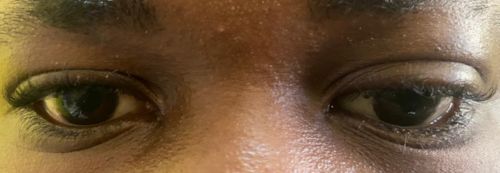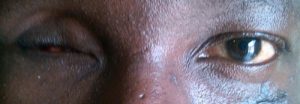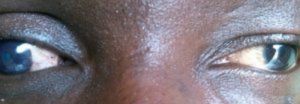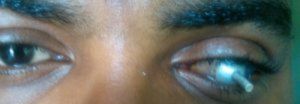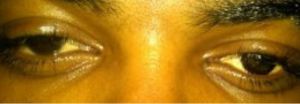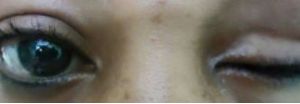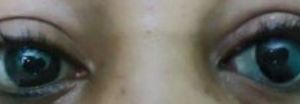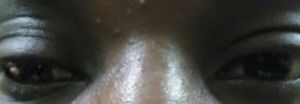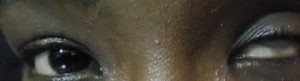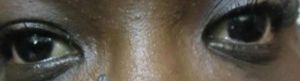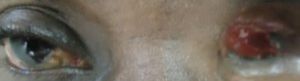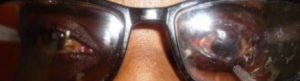
The Ocularist is the first ophthalmic practice specialized in making custom-made artificial eyes for patients who have lost one or both eyes since 2011. The Ocularist in 2018 has since opened her doors to General ophthalmic consultation, with our team of Optometrists, Ocularists and opticians.
Headquarters: Plot 111 F Close, 3rd Avenue, Beside Havannah Hotel and Suites, Gowon Estate, Egbeda, Lagos.
Monday - Friday:8am - 5.30pm
Saturday:10am - 4pm
Public Holidays: 10am - 4pm
Indications for using an artificial eye could include the loss of an eyeball due to the following:
Newborns at 6 weeks can use artificial eyes if they have a healthy socket.
This is seen in patients who do not wear a customised prosthesis for a longtime, facial appearance looks different in the side where there is loss of the eye ball. This could be more prevalent in children under 12 yrs and much more asymmetrical in monocular infants who do not wear prosthesis before 2 yrs. At the Ocularist, our youngest ocular prosthesis wearer was 14 weeks old.
Bacteria conjunctivitis in monocular patients: the lining of the inner eyelid (palpebrae conjunctiva) can get infected due to poor hygiene. Due to the deposits of salt crystals from frequent blinking during the use of your prosthesis, there is an irritation that will make the monocular patient put hands to itch for some relieve. However, the hands may be dirty at that moment, this introduces bacteria to the socket.
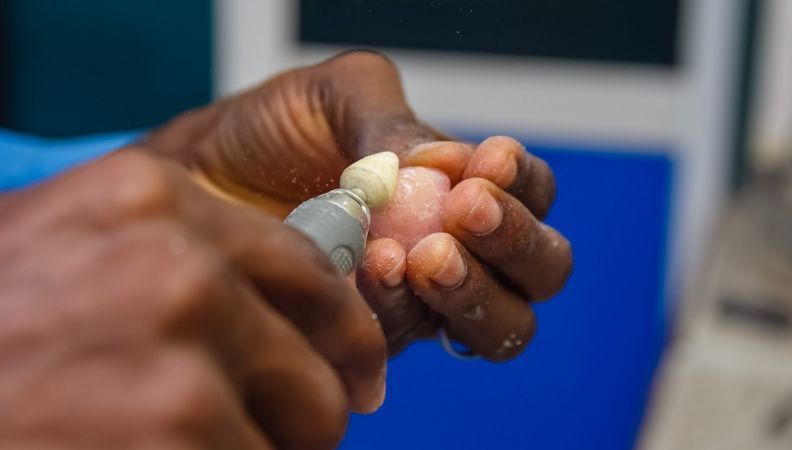
Secondly the natural eye has tear film for easy tears spread while blinking. Tears help the eye surface with antibodies. There is better effect of these antibodies if properly distributed by the tear film on the natural eye, since the prosthetic eye does not have a tear film, there is challenged distribution of the tears. Hence there is need for regular polishing (6 monthly) to remove such salty deposits that cause irritation.
Socket contracture: this is experienced during prolonged use of the wrong size of artificial eye .i.e Readymade prosthesis or leaving an empty socket. This can be managed with expandable conformers.
Artificial eye is one fabricated to replace the natural eye that has been removed. It can also be called fake eye because it has no visual function.
PMMA (PolyMethylMethacrylate) also known as acrylic is used, this material can withstand pressure to some extent and does not irritate body tissues.
The prosthesis can be removed and cleaned with toilet soap and clean water. This can be done in the bathroom.
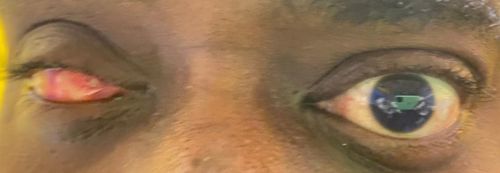
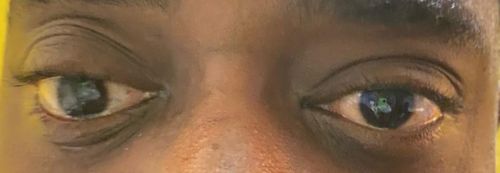
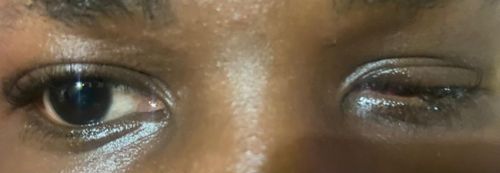
Possibility is our drive. Our Ocularist make fine paintings that appear natural with inclusion of details such as veinings, cornea shin and sclera hue.
The customised prosthesis is fabricated to be part of the body, since it is a permanent replacement of the lost eye. However, conditions like irritation, infection or dislodgement of prosthesis can occur. These may be strong indications for removal.
Visitations to the Ocularist is advised 6 monthly. The acrylic eyes are not natural and do not increase in size. There is need for the Ocularist to check and make necessary adjustments when necessary due to socket expansion Due to blinking of the lids over the prosthesis, there are salt deposits from tears. These crust could cause conjunctival scarring resulting in foreign body sensation which may make the socket prone to infection. It is advised to have the prosthesis polished during these visits to remove such deposits.